Expert Insights: Navigating Regulatory Challenges in Sweden

Understanding the Regulatory Landscape in Sweden
Sweden is renowned for its robust regulatory framework, which ensures transparency, fairness, and compliance across various sectors. However, navigating these regulations can be challenging for businesses unfamiliar with the local landscape. Understanding the key aspects of Sweden's regulatory environment is crucial for successful operations.
The Swedish legal system is characterized by its adherence to EU regulations, alongside its own national laws. This duality requires businesses to stay informed about both EU directives and Swedish-specific regulations. Ensuring compliance can be complex, but with the right strategies, businesses can thrive in this environment.
The Role of Government Agencies
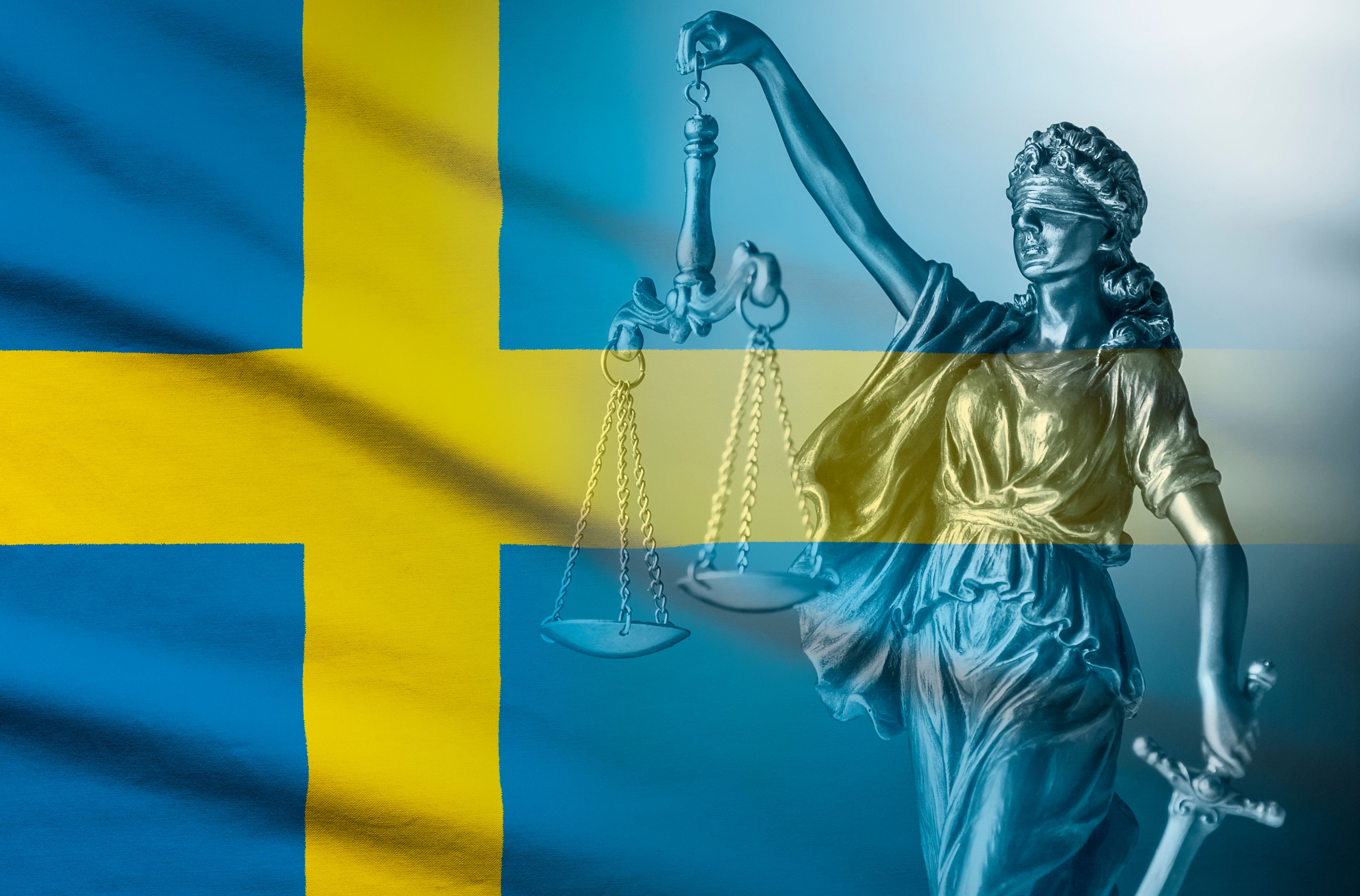
In Sweden, multiple government agencies oversee different sectors, each with its own set of rules and guidelines. For instance, the Swedish Financial Supervisory Authority (Finansinspektionen) is pivotal in regulating financial markets, while the Swedish Environmental Protection Agency (Naturvårdsverket) focuses on environmental compliance.
Collaboration with these agencies is essential. Businesses are encouraged to engage with regulators early in their planning processes to gain insights and potentially avoid compliance pitfalls. Regular updates from these agencies can keep businesses informed about changes in regulations and compliance requirements.
Key Challenges in Regulatory Compliance
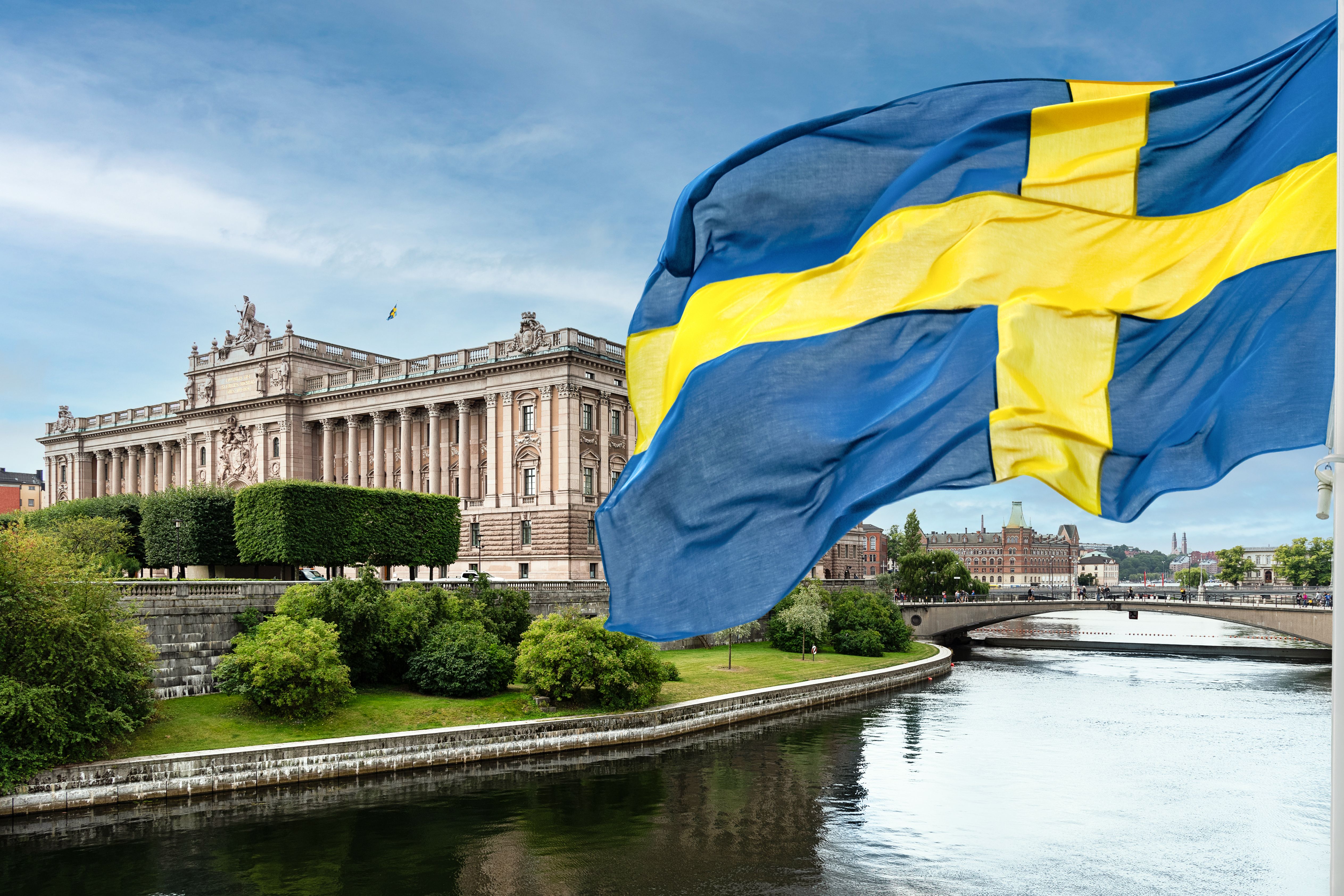
One of the primary challenges businesses face is the dynamic nature of regulations. As Sweden adapts to global trends and EU mandates, regulations can evolve, necessitating constant vigilance and adaptation from businesses.
Another challenge is the language barrier. While many regulations are available in English, some detailed guidelines may only be provided in Swedish. Employing local experts or legal advisors who are fluent in both languages can be invaluable in these situations.
Strategies for Effective Navigation
To effectively navigate Sweden's regulatory challenges, businesses can adopt several strategies. First, maintaining an internal compliance team or consulting with local legal experts can provide ongoing support and ensure adherence to regulations.
- Engage with industry associations for shared insights and resources.
- Participate in workshops and seminars offered by regulatory bodies.
- Utilize digital tools for real-time compliance tracking.

Leveraging Technology for Compliance
In today's digital age, technology plays a crucial role in managing regulatory compliance. Businesses can use software solutions to automate compliance processes, monitor changes in regulations, and generate reports for audits.
These tools not only streamline operations but also reduce the risk of human error. By investing in the right technology, businesses can stay ahead of regulatory changes and ensure smooth operations.
Conclusion: Thriving in Sweden's Regulatory Environment
While navigating regulatory challenges in Sweden can be daunting, it is not insurmountable. By understanding the landscape, engaging with regulatory bodies, and leveraging technology, businesses can successfully operate within Sweden's framework.
Ultimately, compliance should not be viewed as a hurdle but as an opportunity to strengthen business practices and build a reputation for reliability and integrity in the Swedish market.